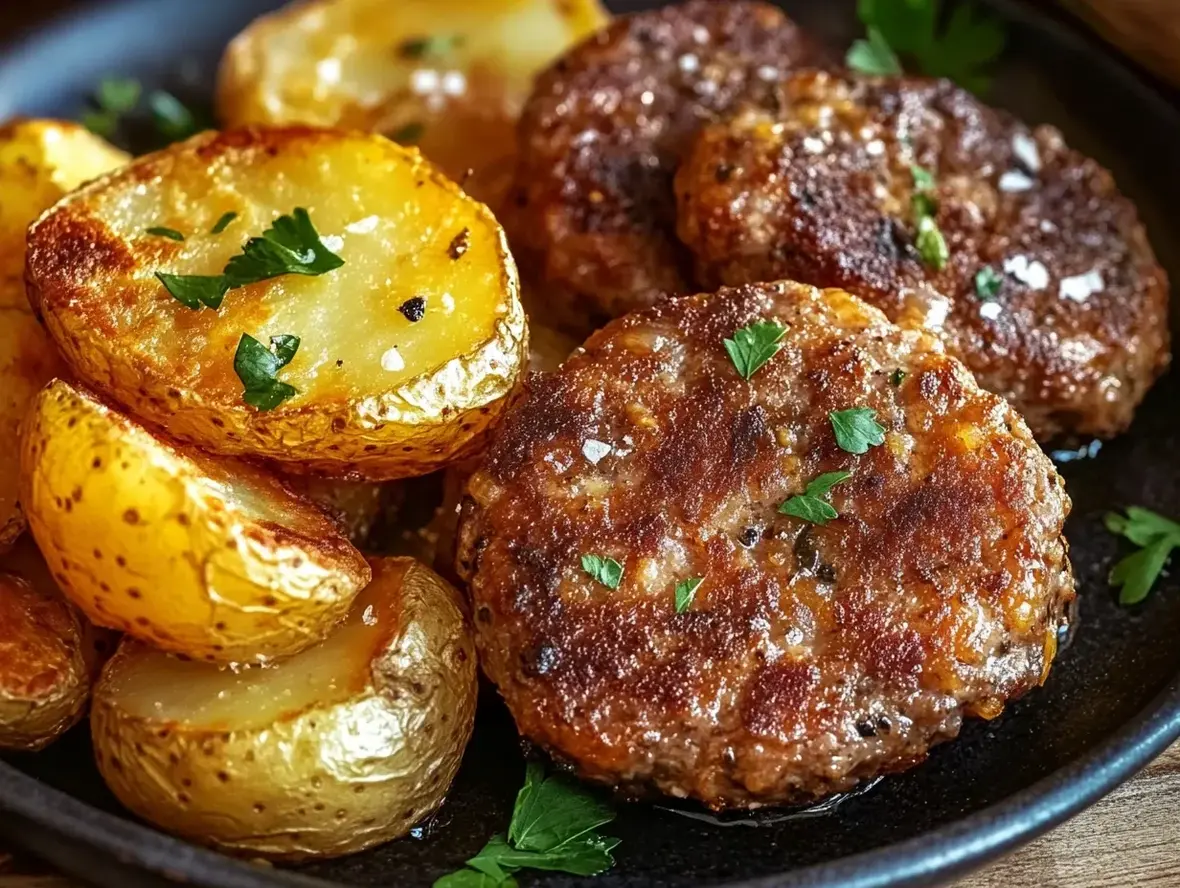
“`html
Table of Contents
- Introduction to Authentic German Meatballs
- Ingredients for Authentic German Meatballs
- Timing is Everything for Perfect Meatballs
- Step-by-Step Instructions
- Nutritional Information for German Meatballs
- Healthier Alternatives to German Meatballs
- Serving Suggestions
- Common Mistakes to Avoid
- Storing Your Delicious German Meatballs
- Conclusion: Enjoy Your Homemade German Meatballs!
- Frequently Asked Questions about German Meatballs
Authentic German Meatballs Recipe – Easy & Delicious
Introduction to Authentic German Meatballs
Are you looking to infuse your weeknight dinners with a taste of authentic German comfort food? Did you know that German meatballs, or Frikadellen, are a staple in German households, often enjoyed as a quick lunch, a hearty dinner, or even a picnic favorite? These flavorful, savory spheres are surprisingly easy to make, requiring just a handful of pantry staples and a little bit of love. Forget those bland, mass-produced versions; this recipe will guide you through creating tender, juicy, and incredibly delicious German meatballs that will transport you straight to Bavaria. Get ready to impress your family and friends with this classic dish that’s perfect for showcasing the best of German cuisine.
Ingredients for Authentic German Meatballs
For the Meatballs
- 1 lb Ground Beef (80/20 blend recommended): The backbone of our meatballs, providing richness and flavor. A good fat content is crucial for juiciness.
- 1 lb Ground Pork: Adds tenderness and a subtle sweetness that complements the beef beautifully. (Substitution: You can use all beef for a leaner but potentially drier meatball, or substitute with ground veal for a more delicate flavor.)
- 1 medium Onion, finely minced: Provides a savory depth and a pleasant subtle sweetness when cooked.
- 2 slices Stale Bread or 1/4 cup Breadcrumbs: Acts as a binder and adds a tender texture. Stale bread, soaked and squeezed, is traditional for a softer crumb. (Substitution: Panko breadcrumbs or even crushed crackers can work.)
- 1/4 cup Milk: Used to soften the bread/breadcrumbs, ensuring a moist mixture.
- 2 large Eggs, lightly beaten: Essential for binding all the ingredients together, creating a cohesive meatball.
- 2 tablespoons Fresh Parsley, chopped: Adds a burst of fresh, herbaceous flavor and a touch of color.
- 1 teaspoon Salt: Enhances all the other flavors.
- 1/2 teaspoon Black Pepper, freshly ground: Adds a gentle warmth and spice.
- 1/4 teaspoon Nutmeg, freshly grated (optional but recommended): A classic German spice that adds a unique, warm, and slightly sweet aroma and taste.
- 2 tablespoons Butter or Vegetable Oil (for frying): For achieving a beautiful golden-brown crust.
For the Sauce (Optional)
- 1 tablespoon Butter
- 1 tablespoon All-Purpose Flour
- 2 cups Beef Broth or Water
- 1 tablespoon Worcestershire Sauce
- Salt and Pepper to taste
Timing is Everything for Perfect Meatballs
This recipe for authentic German meatballs comes together relatively quickly, with most of the time dedicated to forming and cooking. Compared to some elaborate German dishes which can take hours, this is a fantastic weeknight option. The prep is straightforward, and the cooking time is moderate, making it comparable to or slightly longer than many standard meatball recipes, but significantly more rewarding in flavor.

Step-by-Step Instructions
Step 1: Prepare the Meatball Mixture
In a large bowl, combine the ground beef and ground pork. Add the finely minced onion, stale bread (soaked in milk and squeezed dry, or breadcrumbs), lightly beaten eggs, chopped parsley, salt, pepper, and nutmeg (if using). Don’t be shy with the seasoning; it’s key to that authentic German flavor.
Step 2: Form and Chill the Meatballs
Using your hands, gently mix all the ingredients until *just* combined. Overmixing can lead to tough meatballs. The mixture should feel cohesive. If it seems too wet, add a tablespoon more breadcrumbs. If too dry, a splash more milk. Shape the mixture into uniform balls, about 1.5 to 2 inches in diameter. For best results and to help them hold their shape, place the formed meatballs on a baking sheet lined with parchment paper and refrigerate for at least 15-30 minutes. This chilling step is a secret to preventing them from falling apart during cooking.
Step 3: Cook the Meatballs
Heat the butter or oil in a large skillet over medium-high heat. Carefully place the chilled meatballs into the hot skillet, ensuring not to overcrowd the pan (cook in batches if necessary). Sear the meatballs on all sides until deeply browned and a beautiful crust forms, about 5-7 minutes. Reduce the heat to medium-low, cover the skillet, and let the meatballs cook through for another 15-20 minutes, or until they reach an internal temperature of 160°F (71°C). The exact time will depend on their size.
Step 4: Prepare the Sauce (If Using)
While the meatballs are finishing, you can prepare the optional brown gravy. In a separate saucepan, melt 1 tablespoon of butter over medium heat. Whisk in 1 tablespoon of flour and cook for about a minute until lightly golden. Gradually whisk in the beef broth or water, ensuring no lumps form. Bring to a simmer, then stir in the Worcestershire sauce. Season with salt and pepper to taste. Let it simmer gently for a few minutes until it thickens slightly.
Step 5: Combine and Serve
Once the meatballs are cooked through, you can either serve them directly, or for an even richer flavor, gently add them to the prepared sauce. Let them simmer in the sauce for a few minutes to absorb the flavors. Serve hot, garnished with fresh parsley, if desired.
Nutritional Information for German Meatballs
- Servings: 4 (approx. 3-4 meatballs per serving)
- Calories: ~350-450 kcal per serving (depending on fat content of meat and if sauce is used)
- Protein: ~25-30g
- Fat: ~20-30g
- Carbohydrates: ~10-15g (mostly from breadcrumbs/binder)
Note: Nutritional information is an estimate and can vary based on exact ingredients and quantities used.
Healthier Alternatives to German Meatballs
Looking to lighten up this classic dish without sacrificing flavor? Here are a few simple swaps:
- Leaner Meats: Use ground turkey or chicken breast, or opt for leaner cuts of beef and pork (e.g., 90/10 blend). You might need to add a touch more moisture, like an extra tablespoon of milk or some finely grated zucchini, to keep them tender.
- Whole Wheat Binder: Swap regular breadcrumbs for whole wheat breadcrumbs or even rolled oats for added fiber.
- Reduced Fat Sauce: For the sauce, use low-sodium broth and thicken it with a cornstarch slurry instead of a flour-butter roux, or simply serve the meatballs without sauce.
- Baking Instead of Frying: For a healthier cooking method, bake the meatballs on a parchment-lined baking sheet at 400°F (200°C) for 20-25 minutes, flipping halfway through, until cooked through.
Serving Suggestions
Authentic German meatballs are incredibly versatile. Here are some classic and creative ways to enjoy them:
- Classic German Style: Serve with mashed potatoes (Kartoffelpüree), a side of sauerkraut, and a dollop of German mustard.
- With Noodles: Toss with egg noodles (Spätzle or even standard pasta) and the optional gravy.
- In a Bun: Slightly flatten them and serve on a hearty roll for a German-inspired meatball sandwich.
- Side Dish: Enjoy a few meatballs as a protein-rich side to a larger meal, perhaps with a crisp German potato salad.
- With Vegetables: Pair with steamed or roasted vegetables like green beans, carrots, or broccoli.
Common Mistakes to Avoid
- Overmixing the Meat: This develops the gluten too much, resulting in tough, dense meatballs. Mix only until the ingredients are just combined.
- Not Chilling the Meatballs: Skipping the chilling step can lead to meatballs that lose their shape and break apart during cooking.
- Overcrowding the Pan: Frying too many meatballs at once lowers the pan temperature, causing them to steam rather than sear, leading to a pale, less flavorful crust.
- Under-seasoning: German meatballs rely on good seasoning. Don’t be afraid to use salt, pepper, and the optional nutmeg for that authentic taste.
- Cooking Pan Too Hot: Starting with a pan that’s too hot can burn the outside before the inside is cooked through. Medium-high is usually ideal for searing.
Storing Your Delicious German Meatballs
Once cooked and cooled, store any leftover German meatballs in an airtight container in the refrigerator for up to 3-4 days. They can be reheated gently on the stovetop, in the oven, or in the microwave. For longer storage, you can freeze the cooked meatballs (plain or in sauce) in freezer-safe bags or containers for up to 2-3 months. Thaw them overnight in the refrigerator before reheating.
Conclusion: Enjoy Your Homemade German Meatballs!
Making authentic German meatballs from scratch is a rewarding culinary experience. This recipe offers a gateway to traditional German flavors that are both comforting and incredibly satisfying. Whether you serve them with a rich gravy, alongside potatoes and sauerkraut, or as part of a larger meal, these Frikadellen are sure to become a family favorite. Don’t hesitate to tweak the seasonings to your liking and experiment with serving combinations. Ready to bring a taste of Germany to your table? Give this easy and delicious recipe a try!
Frequently Asked Questions about German Meatballs
***What is the best meat to use for German meatballs?***
Traditionally, a mix of ground beef and ground pork is used. The combination provides a balanced flavor and excellent texture. You can adjust the ratio or use other ground meats like veal or even turkey for variations.
***Can I make these meatballs ahead of time?***
Yes! You can prepare the meatball mixture and form the meatballs a day in advance and store them covered in the refrigerator. You can also cook them ahead and reheat them later.
***Why are my meatballs falling apart?***
This usually happens if the binder isn’t sufficient, the mixture is too wet, or if the meatballs weren’t chilled before cooking. Ensure you’re using eggs and breadcrumbs (or stale bread) properly, and don’t skip the chilling step!
***What is the traditional German name for these meatballs?***
The most common German term is “Frikadellen”. They might also be called “Buletten” or “Fleischpflanzerl” depending on the region.
***Can I freeze raw German meatballs?***
Yes, you can freeze the formed raw meatballs. Place them on a baking sheet in a single layer until frozen, then transfer them to a freezer bag. Cook them from frozen, adding a few extra minutes to the cooking time.

Authentic German Frikadellen
Description
Frikadellen, Germany’s beloved meat patties, are juicy, flavorful, and easy to make. Whether served with potato salad, mashed potatoes, or a hearty bread, they’re a satisfying comfort food with rich tradition.
Ingredients
- 1lb (450 g) ground beef (or a mix of ground beef and pork)1small onion, finely chopped1clove garlic, minced1large egg1slice stale white bread (or1/2 cupbreadcrumbs)1/4 cupmilk1 tspmustard (Dijon or yellow)1 tspsalt1/2 tspblack pepper1/2 tsppaprika1/2 tspground marjoram (optional)1 tbspparsley, chopped2 tbspoil or butter (for frying)
- 1small onion, finely chopped1clove garlic, minced1large egg1slice stale white bread (or1/2 cupbreadcrumbs)1/4 cupmilk1 tspmustard (Dijon or yellow)1 tspsalt1/2 tspblack pepper1/2 tsppaprika1/2 tspground marjoram (optional)1 tbspparsley, chopped2 tbspoil or butter (for frying)
- 1clove garlic, minced1large egg1slice stale white bread (or1/2 cupbreadcrumbs)1/4 cupmilk1 tspmustard (Dijon or yellow)1 tspsalt1/2 tspblack pepper1/2 tsppaprika1/2 tspground marjoram (optional)1 tbspparsley, chopped2 tbspoil or butter (for frying)
- 1large egg1slice stale white bread (or1/2 cupbreadcrumbs)1/4 cupmilk1 tspmustard (Dijon or yellow)1 tspsalt1/2 tspblack pepper1/2 tsppaprika1/2 tspground marjoram (optional)1 tbspparsley, chopped2 tbspoil or butter (for frying)
- 1slice stale white bread (or1/2 cupbreadcrumbs)1/4 cupmilk1 tspmustard (Dijon or yellow)1 tspsalt1/2 tspblack pepper1/2 tsppaprika1/2 tspground marjoram (optional)1 tbspparsley, chopped2 tbspoil or butter (for frying)
- 1/4 cupmilk1 tspmustard (Dijon or yellow)1 tspsalt1/2 tspblack pepper1/2 tsppaprika1/2 tspground marjoram (optional)1 tbspparsley, chopped2 tbspoil or butter (for frying)
- 1 tspmustard (Dijon or yellow)1 tspsalt1/2 tspblack pepper1/2 tsppaprika1/2 tspground marjoram (optional)1 tbspparsley, chopped2 tbspoil or butter (for frying)
- 1 tspsalt1/2 tspblack pepper1/2 tsppaprika1/2 tspground marjoram (optional)1 tbspparsley, chopped2 tbspoil or butter (for frying)
- 1/2 tspblack pepper1/2 tsppaprika1/2 tspground marjoram (optional)1 tbspparsley, chopped2 tbspoil or butter (for frying)
- 1/2 tsppaprika1/2 tspground marjoram (optional)1 tbspparsley, chopped2 tbspoil or butter (for frying)
- 1/2 tspground marjoram (optional)1 tbspparsley, chopped2 tbspoil or butter (for frying)
- 1 tbspparsley, chopped2 tbspoil or butter (for frying)
- 2 tbspoil or butter (for frying)
Instructions
- 1️⃣Prepare the Bread Mixture:
- Soak the slice of stale bread in milk for about 5 minutes, then squeeze out the excess milk and crumble the bread into small pieces. Set aside.2️⃣Combine the Ingredients:In a large mixing bowl, add the ground meat, soaked bread, onion, garlic, egg, mustard, salt, pepper, paprika, marjoram (if using), and parsley.Mix until just combined. Avoid overmixing to ensure the patties remain tender.3️⃣Shape the Frikadellen:Divide the meat mixture into 4-6 equal portions.Shape each portion into a flat, oval-shaped patty about 1/2-inch thick.4️⃣Cook the Frikadellen:Heat oil or butter in a large skillet over medium heat.Place the patties in the skillet and fry for 4-5 minutes per side, or until golden brown and fully cooked (internal temperature should reach 160°F/71°C).5️⃣Serve:Serve the Frikadellen warm with sides such as potato salad, mashed potatoes, sauerkraut, or crusty bread.
- 2️⃣Combine the Ingredients:In a large mixing bowl, add the ground meat, soaked bread, onion, garlic, egg, mustard, salt, pepper, paprika, marjoram (if using), and parsley.Mix until just combined. Avoid overmixing to ensure the patties remain tender.3️⃣Shape the Frikadellen:Divide the meat mixture into 4-6 equal portions.Shape each portion into a flat, oval-shaped patty about 1/2-inch thick.4️⃣Cook the Frikadellen:Heat oil or butter in a large skillet over medium heat.Place the patties in the skillet and fry for 4-5 minutes per side, or until golden brown and fully cooked (internal temperature should reach 160°F/71°C).5️⃣Serve:Serve the Frikadellen warm with sides such as potato salad, mashed potatoes, sauerkraut, or crusty bread.
- In a large mixing bowl, add the ground meat, soaked bread, onion, garlic, egg, mustard, salt, pepper, paprika, marjoram (if using), and parsley.
- Mix until just combined. Avoid overmixing to ensure the patties remain tender.3️⃣Shape the Frikadellen:Divide the meat mixture into 4-6 equal portions.Shape each portion into a flat, oval-shaped patty about 1/2-inch thick.4️⃣Cook the Frikadellen:Heat oil or butter in a large skillet over medium heat.Place the patties in the skillet and fry for 4-5 minutes per side, or until golden brown and fully cooked (internal temperature should reach 160°F/71°C).5️⃣Serve:Serve the Frikadellen warm with sides such as potato salad, mashed potatoes, sauerkraut, or crusty bread.
- 3️⃣Shape the Frikadellen:Divide the meat mixture into 4-6 equal portions.Shape each portion into a flat, oval-shaped patty about 1/2-inch thick.4️⃣Cook the Frikadellen:Heat oil or butter in a large skillet over medium heat.Place the patties in the skillet and fry for 4-5 minutes per side, or until golden brown and fully cooked (internal temperature should reach 160°F/71°C).5️⃣Serve:Serve the Frikadellen warm with sides such as potato salad, mashed potatoes, sauerkraut, or crusty bread.
- Divide the meat mixture into 4-6 equal portions.
- Shape each portion into a flat, oval-shaped patty about 1/2-inch thick.4️⃣Cook the Frikadellen:Heat oil or butter in a large skillet over medium heat.Place the patties in the skillet and fry for 4-5 minutes per side, or until golden brown and fully cooked (internal temperature should reach 160°F/71°C).5️⃣Serve:Serve the Frikadellen warm with sides such as potato salad, mashed potatoes, sauerkraut, or crusty bread.
- 4️⃣Cook the Frikadellen:Heat oil or butter in a large skillet over medium heat.Place the patties in the skillet and fry for 4-5 minutes per side, or until golden brown and fully cooked (internal temperature should reach 160°F/71°C).5️⃣Serve:Serve the Frikadellen warm with sides such as potato salad, mashed potatoes, sauerkraut, or crusty bread.
- Heat oil or butter in a large skillet over medium heat.
- Place the patties in the skillet and fry for 4-5 minutes per side, or until golden brown and fully cooked (internal temperature should reach 160°F/71°C).5️⃣Serve:Serve the Frikadellen warm with sides such as potato salad, mashed potatoes, sauerkraut, or crusty bread.
- 5️⃣Serve:Serve the Frikadellen warm with sides such as potato salad, mashed potatoes, sauerkraut, or crusty bread.
- Serve the Frikadellen warm with sides such as potato salad, mashed potatoes, sauerkraut, or crusty bread.
Notes
Bread Substitute:If using breadcrumbs, skip the milk step and add them directly to the meat mixture.Flavor Boost:For an authentic touch, add a pinch of nutmeg to the mixture.Make-Ahead:Shape the patties ahead of time and store them in the fridge for up to 24 hours before cooking.
Flavor Boost:For an authentic touch, add a pinch of nutmeg to the mixture.Make-Ahead:Shape the patties ahead of time and store them in the fridge for up to 24 hours before cooking.
Make-Ahead:Shape the patties ahead of time and store them in the fridge for up to 24 hours before cooking.
“`
