“`html
Table of Contents
- The Challenge of Budget Eating
- Ingredients: The Foundation of Affordability
- Timing: Making Time for Meals
- Steps: Building Your Budget-Friendly Meals
- Nutritional Information: Fueling Your Family Wisely
- Healthier Alternatives: Taste Without the Toll
- Serving Suggestions: Maximizing Every Bite
- Common Mistakes to Avoid When Cooking on a Budget
- Storing Tips for Maximum Freshness and Savings
- Conclusion: Nourishment for All
- Frequently Asked Questions
Affordable and Nutritious Poverty Meal Plan for Every Family
The Challenge of Budget Eating
Are you struggling to keep your family fed with nutritious meals without emptying your wallet? In today’s economic climate, many families find themselves facing the daunting task of balancing a tight budget with the desire to provide healthy, satisfying food. According to recent studies, food prices have seen a significant increase, making it harder for households to access nutrient-dense options. But what if you could create a poverty meal plan that not only saves you money but also nourishes your family? This comprehensive guide is designed to equip you with practical strategies, budget-friendly ingredients, and delicious recipes to ensure that healthy eating remains accessible for everyone, regardless of income. We’ll delve into smart shopping, versatile ingredients, and meal preparation techniques that make a real difference.
Ingredients: The Foundation of Affordability
The key to a successful poverty meal plan lies in choosing ingredients that are not only inexpensive but also versatile and nutrient-rich. It’s about maximizing flavor and nutrition while minimizing cost. Think of these as your building blocks for a week of delicious, budget-friendly meals.
Staples That Stretch
- Rice: A pantry essential that’s incredibly filling and can be the base for countless dishes. Look for large bags of white or brown rice for the best value. Brown rice offers more fiber and nutrients.
- Pasta: Another economical and versatile staple. Whole wheat pasta adds extra fiber. Opt for dried varieties over fresh.
- Oats: Rolled oats are a breakfast powerhouse, but they can also be used in meatballs, as a binder, or even to thicken stews. Instant oats are convenient but often contain added sugars; rolled or steel-cut are healthier and more cost-effective.
- Lentils and Beans (dried or canned): These are nutritional giants! Packed with protein, fiber, and essential minerals, they are incredibly cheap, especially when bought dried and soaked. Canned versions are convenient but slightly more expensive per serving. Red lentils cook quickly, while chickpeas and kidney beans hold their shape well.
- Potatoes: A fantastic source of carbohydrates, potassium, and vitamin C. Russet, red, or Yukon Gold potatoes are all budget-friendly and can be baked, mashed, roasted, or added to stews.
- Bread: Whole wheat is preferred for its fiber content. Consider buying day-old bread at a discount or baking your own if you have the time and inclination.
Protein Powerhouses on a Budget
- Eggs: A complete protein source that’s incredibly affordable and quick to cook. Versatile for breakfast, lunch, or dinner.
- Chicken Thighs/Legs: Often cheaper than chicken breast, these cuts are flavorful and forgiving. Dark meat also contains more iron.
- Ground Turkey or Chicken: Leaner than ground beef and can often be found for a good price, especially when purchased in larger quantities.
- Canned Tuna or Sardines: Excellent sources of protein and omega-3 fatty acids. Sardines are particularly nutrient-dense and very affordable.
Vegetables and Fruits: Fresh and Frozen
- Seasonal Produce: Buying fruits and vegetables that are in season is almost always cheaper and tastier. Visit local farmer’s markets towards the end of the day for potential deals.
- Frozen Vegetables: A budget-friendly and convenient option. Frozen broccoli, peas, corn, spinach, and mixed vegetables are just as nutritious as fresh and have a long shelf life. They are also pre-chopped, saving preparation time.
- Canned Vegetables: Good in a pinch, but opt for low-sodium varieties. Drained and rinsed canned vegetables can be added to soups and casseroles.
- Root Vegetables: Carrots, onions, and sweet potatoes are affordable, store well, and are packed with vitamins and fiber.
- Bananas and Apples: Typically the most budget-friendly fruits year-round.
Flavor Boosters Without Breaking the Bank
- Onions and Garlic: The aromatics that form the base of so many delicious dishes. They are relatively inexpensive and add immense flavor.
- Spices and Dried Herbs: Buying these in bulk or from ethnic markets can save a lot. A well-stocked spice rack can transform simple ingredients. Consider cumin, paprika, chili powder, oregano, and thyme.
- Broth/Stock (cubes or powder): A more economical way to add depth of flavor to soups, stews, and grains.
- Vinegar (white, apple cider): Adds brightness and acidity to dishes.
- Soy Sauce or Tamari: Adds umami and saltiness.

Timing: Making Time for Meals
In a busy household, time is as precious as money. This poverty meal plan focuses on efficiency and dishes that don’t require constant attention, making weeknight cooking manageable.
Compared to the average recipe, this plan is designed to be slightly quicker in active preparation, with a focus on meals that can simmer or bake with minimal supervision, fitting into busy schedules.
Steps: Building Your Budget-Friendly Meals
This meal plan focuses on creating a few versatile dishes that can be mixed and matched or repurposed throughout the week.
Step 1: Prepare Your Carbohydrate Base
Cook a large batch of rice or pasta. For rice, a simple method is two parts water to one part rice, bring to a boil, then simmer covered until water is absorbed (about 18-20 minutes for white, 40-45 for brown). For pasta, cook according to package directions until al dente.
Step 2: Simmer a Hearty Stew or Chili
In a large pot, sauté chopped onions and garlic in a little oil until softened. Add your chosen protein (e.g., ground turkey, lentils, or beans). If using meat, brown it. Add diced vegetables like carrots, potatoes, and frozen corn or peas. Season generously with spices like chili powder, cumin, paprika, and dried herbs. Add a can of diced tomatoes (undrained), a can of beans (rinsed and drained, e.g., kidney or black beans), and enough broth or water to cover. Bring to a simmer and cook for at least 30-45 minutes, or until vegetables are tender and flavors have melded. Stir in a tablespoon of vinegar or a splash of soy sauce at the end for brightness.
Step 3: Roast or Bake Your Protein
If you opted for chicken thighs or legs, season them with salt, pepper, paprika, and any other desired spices. Place them on a baking sheet lined with parchment paper for easy cleanup. Roast in a preheated oven at 400°F (200°C) for about 35-45 minutes, or until cooked through and the skin is crispy. Alternatively, you can pan-fry chicken or fish portions.
Step 4: Prepare a Quick Side or Salad
While the stew simmers and protein bakes, whip up a simple side. This could be a quick steamed bag of frozen vegetables, a simple cabbage slaw with a vinegar-based dressing, or a basic salad with lettuce, shredded carrots, and a simple vinaigrette. If using canned tuna, mix it with a little bit of mashed beans or a small amount of mayonnaise (if budget allows), chopped onion, and serve on bread or crackers.
Step 5: Assemble and Serve
Serve a portion of your carbohydrate base (rice/pasta) with a ladleful of the stew or chili. Add a piece of roasted chicken or other protein. Round out the meal with your prepared side or salad. This creates a balanced and filling plate.
Nutritional Information: Fueling Your Family Wisely
While specific nutritional values will vary based on your exact ingredients and portion sizes, this meal plan is designed to be rich in essential nutrients. A typical serving from this plan aims to provide a good balance of:
- Complex Carbohydrates: From rice, pasta, potatoes, and oats, providing sustained energy.
- Protein: From beans, lentils, eggs, and lean meats, crucial for growth and repair.
- Fiber: Abundant in whole grains, beans, lentils, and vegetables, aiding digestion and promoting satiety.
- Vitamins and Minerals: Sourced from a variety of vegetables, fruits, and lean proteins, supporting overall health.
Example for a serving of bean chili with rice: Approximately 350-450 calories, 15-20g protein, 50-60g carbohydrates, 8-12g fiber. Always adjust based on your family’s specific dietary needs.
Healthier Alternatives: Taste Without the Toll
Maintaining flavor and satisfaction is key when cooking on a budget. Here are some smart swaps:
- Instead of Creamy Sauces: Use pureed white beans or a roux made with water or low-fat milk to create a thicker, creamier texture without adding high-fat dairy.
- Boost Flavor with Herbs and Spices: Instead of salt, rely heavily on herbs like rosemary, thyme, basil, and spices like smoked paprika, cumin, and chili powder to add depth.
- Use Vegetable Scraps for Broth: Save onion peels, carrot tops, and celery ends in a bag in the freezer. When you have enough, boil them with water to create a homemade vegetable broth, saving money and reducing waste.
- Opt for Whole Grains: Where possible, choose whole wheat pasta, brown rice, or rolled oats over their refined counterparts for added fiber and nutrients.
- Limit Processed Meats: While sometimes economical, they are often high in sodium and preservatives. Opt for leaner cuts of chicken, turkey, or plant-based proteins like lentils and beans.
Serving Suggestions: Maximizing Every Bite
To make your meals more appealing and to stretch them further:
- Leftovers are Gold: Repurpose leftover chili as a topping for baked potatoes, or as a filling for tacos (if tortillas are budget-friendly). Leftover rice can be fried with vegetables and a bit of soy sauce for a quick fried rice meal.
- Portion Control: Serve generous portions of the carbohydrate base and vegetables/beans to make meals more filling, and smaller portions of the more expensive protein sources.
- Garnish for Appeal: A sprinkle of chopped fresh parsley (if you have some), or even a few reserved beans, can make a dish look more appealing.
- Add a Simple Side Salad: Even a basic salad can make a meal feel more complete and add crucial vitamins.
Common Mistakes to Avoid When Cooking on a Budget
- Buying Pre-Cut or Pre-Packaged Produce: While convenient, these items are significantly more expensive per pound. Buy whole produce and do the chopping yourself.
- Shopping Without a List: Impulse buys can derail a budget quickly. Make a detailed shopping list based on your meal plan and stick to it.
- Wasting Food: Be mindful of expiration dates and proper storage. Plan meals that utilize ingredients before they spoil. Use vegetable scraps for broth.
- Over-Reliance on Convenience Foods: Packaged meals, snacks, and pre-made sauces are often less nutritious and more expensive than making them from scratch.
- Skipping Healthy Fats: While on a budget, it’s tempting to cut out all added fats. However, small amounts of healthy fats (like those found in eggs or even a drizzle of oil) are essential for nutrient absorption and satiety.
Storing Tips for Maximum Freshness and Savings
Proper storage is crucial for preventing food waste and saving money:
- Airtight Containers: Store cooked meals, grains, and chopped vegetables in airtight containers to keep them fresh longer in the refrigerator.
- Freezing: Many dishes, like chili, stews, and cooked grains, freeze exceptionally well. Portion them into meal-sized servings for easy reheating. Bread can also be frozen.
- Root Vegetables: Store potatoes, onions, and garlic in a cool, dark, and dry place (not the refrigerator for most).
- Herbs: Store fresh herbs in a jar of water in the refrigerator, or chop and freeze them in ice cube trays with a little water or oil.
Conclusion: Nourishment for All
Creating an affordable and nutritious poverty meal plan is not only possible but also a rewarding way to care for your family. By focusing on smart ingredient choices, efficient cooking methods, and minimizing waste, you can provide delicious, wholesome meals without breaking the bank. This guide offers a framework; adapt it to your family’s preferences and what’s available locally. Remember, healthy eating on a budget is about resourcefulness and making informed choices. With a little planning and creativity, nutritious meals can be a reality for every family.
Did you find this poverty meal plan helpful? Share your own budget-friendly recipe tips in the comments below! Let’s build a community of resourceful eaters together!
Frequently Asked Questions
***What is the cheapest way to feed a family?***
The cheapest way involves planning meals around staple foods like rice, beans, lentils, pasta, oats, and seasonal vegetables. Buying in bulk, cooking from scratch, minimizing waste, and utilizing cheaper protein sources like eggs and chicken thighs are also key strategies.
***How can I eat healthy without much money?***
Focus on whole, unprocessed foods. Prioritize fiber-rich options like legumes, whole grains, and vegetables. Frozen vegetables are a great budget-friendly way to get vitamins. Eggs and canned fish are also affordable protein sources. Spices and herbs can add flavor without extra cost.
***What are the most filling, cheap foods?***
Foods high in fiber and complex carbohydrates are generally the most filling and cheapest. This includes oats, brown rice, whole wheat pasta, beans, lentils, potatoes, and certain vegetables like cabbage and carrots.
***Can I adjust this meal plan for specific dietary needs?***
Yes! This plan is a template. For vegetarian or vegan diets, simply rely more heavily on beans, lentils, and tofu (if budget allows). For gluten-free, ensure you’re using rice or gluten-free pasta, and check labels on processed ingredients.

Easy 20-Minute Poverty Meal
Description
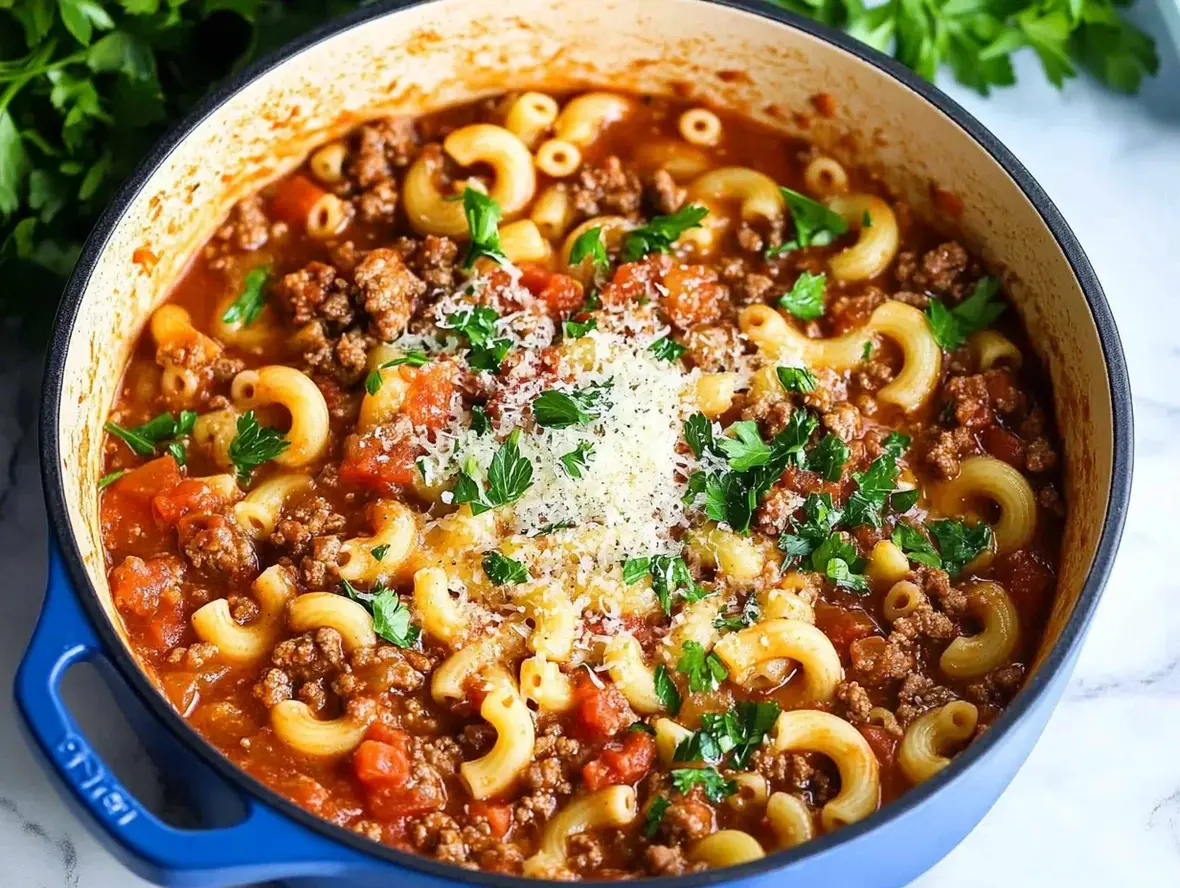
This simple, budget-friendly one-pot dish is perfect for busy nights or when you’re watching your wallet. It’s hearty, comforting, and comes together with just 10 ingredients in only 20 minutes!
Ingredients
- 1 cuponion, chopped2garlic cloves, minced1lb lean ground beef2(15 oz) cans stewed tomatoes (with juice)1(15 oz) can water1 tspdried parsley1 tspdried oregano½ tspred pepper flakes½ tspsaltFreshly ground black pepper, to taste8 ozelbow macaroniFreshly grated Parmesan cheese, for serving
- 2garlic cloves, minced1lb lean ground beef2(15 oz) cans stewed tomatoes (with juice)1(15 oz) can water1 tspdried parsley1 tspdried oregano½ tspred pepper flakes½ tspsaltFreshly ground black pepper, to taste8 ozelbow macaroniFreshly grated Parmesan cheese, for serving
- 1lb lean ground beef2(15 oz) cans stewed tomatoes (with juice)1(15 oz) can water1 tspdried parsley1 tspdried oregano½ tspred pepper flakes½ tspsaltFreshly ground black pepper, to taste8 ozelbow macaroniFreshly grated Parmesan cheese, for serving
- 2(15 oz) cans stewed tomatoes (with juice)1(15 oz) can water1 tspdried parsley1 tspdried oregano½ tspred pepper flakes½ tspsaltFreshly ground black pepper, to taste8 ozelbow macaroniFreshly grated Parmesan cheese, for serving
- 1(15 oz) can water1 tspdried parsley1 tspdried oregano½ tspred pepper flakes½ tspsaltFreshly ground black pepper, to taste8 ozelbow macaroniFreshly grated Parmesan cheese, for serving
- 1 tspdried parsley1 tspdried oregano½ tspred pepper flakes½ tspsaltFreshly ground black pepper, to taste8 ozelbow macaroniFreshly grated Parmesan cheese, for serving
- 1 tspdried oregano½ tspred pepper flakes½ tspsaltFreshly ground black pepper, to taste8 ozelbow macaroniFreshly grated Parmesan cheese, for serving
- ½ tspred pepper flakes½ tspsaltFreshly ground black pepper, to taste8 ozelbow macaroniFreshly grated Parmesan cheese, for serving
- ½ tspsaltFreshly ground black pepper, to taste8 ozelbow macaroniFreshly grated Parmesan cheese, for serving
- Freshly ground black pepper, to taste8 ozelbow macaroniFreshly grated Parmesan cheese, for serving
- 8 ozelbow macaroniFreshly grated Parmesan cheese, for serving
- Freshly grated Parmesan cheese, for serving
Instructions
- 1️⃣Cook the beef and aromatics: In a large skillet over medium-high heat, add the ground beef, chopped onion, and minced garlic. Cook for 5-7 minutes, stirring frequently, until the beef is browned and the onion is translucent. Drain any excess fat if needed.2️⃣Add liquids and seasonings: Stir in the stewed tomatoes (with their juice), 1 can of water, dried parsley, dried oregano, red pepper flakes, salt, and freshly ground black pepper. Mix everything well.3️⃣Incorporate the pasta: Bring the mixture to a boil, then add the elbow macaroni. Reduce the heat to low, cover the skillet, and let it simmer for about 15 minutes, stirring occasionally to prevent the pasta from sticking to the bottom of the pan.4️⃣Serve: Once the pasta is tender and the flavors are melded, remove the skillet from heat. Serve hot, topped with freshly grated Parmesan cheese. Adjust seasoning with additional salt or pepper if needed.
- 2️⃣Add liquids and seasonings: Stir in the stewed tomatoes (with their juice), 1 can of water, dried parsley, dried oregano, red pepper flakes, salt, and freshly ground black pepper. Mix everything well.3️⃣Incorporate the pasta: Bring the mixture to a boil, then add the elbow macaroni. Reduce the heat to low, cover the skillet, and let it simmer for about 15 minutes, stirring occasionally to prevent the pasta from sticking to the bottom of the pan.4️⃣Serve: Once the pasta is tender and the flavors are melded, remove the skillet from heat. Serve hot, topped with freshly grated Parmesan cheese. Adjust seasoning with additional salt or pepper if needed.
- 3️⃣Incorporate the pasta: Bring the mixture to a boil, then add the elbow macaroni. Reduce the heat to low, cover the skillet, and let it simmer for about 15 minutes, stirring occasionally to prevent the pasta from sticking to the bottom of the pan.
- 4️⃣Serve: Once the pasta is tender and the flavors are melded, remove the skillet from heat. Serve hot, topped with freshly grated Parmesan cheese. Adjust seasoning with additional salt or pepper if needed.
Notes
Stretch it further: Add a can of beans (such as kidney or black beans) or frozen vegetables like peas or corn for extra nutrition and servings.Swap it up: Use ground turkey, chicken, or a plant-based ground meat alternative to fit dietary preferences.Storage: Store leftovers in an airtight container in the refrigerator for up to 3 days. Reheat gently on the stovetop or microwave.Cheesy upgrade: Stir in shredded cheddar or mozzarella for an extra cheesy kick.
Swap it up: Use ground turkey, chicken, or a plant-based ground meat alternative to fit dietary preferences.Storage: Store leftovers in an airtight container in the refrigerator for up to 3 days. Reheat gently on the stovetop or microwave.Cheesy upgrade: Stir in shredded cheddar or mozzarella for an extra cheesy kick.
Storage: Store leftovers in an airtight container in the refrigerator for up to 3 days. Reheat gently on the stovetop or microwave.Cheesy upgrade: Stir in shredded cheddar or mozzarella for an extra cheesy kick.
Cheesy upgrade: Stir in shredded cheddar or mozzarella for an extra cheesy kick.
“`
